911-second window · 3 observations · Measured Sep 20, 2026, 2:37 AM UTC · Provider: go_recent_snapshot_v2
Listing ID Volatility: Analyzing the Surge in Real Estate Data Synchronization Signals
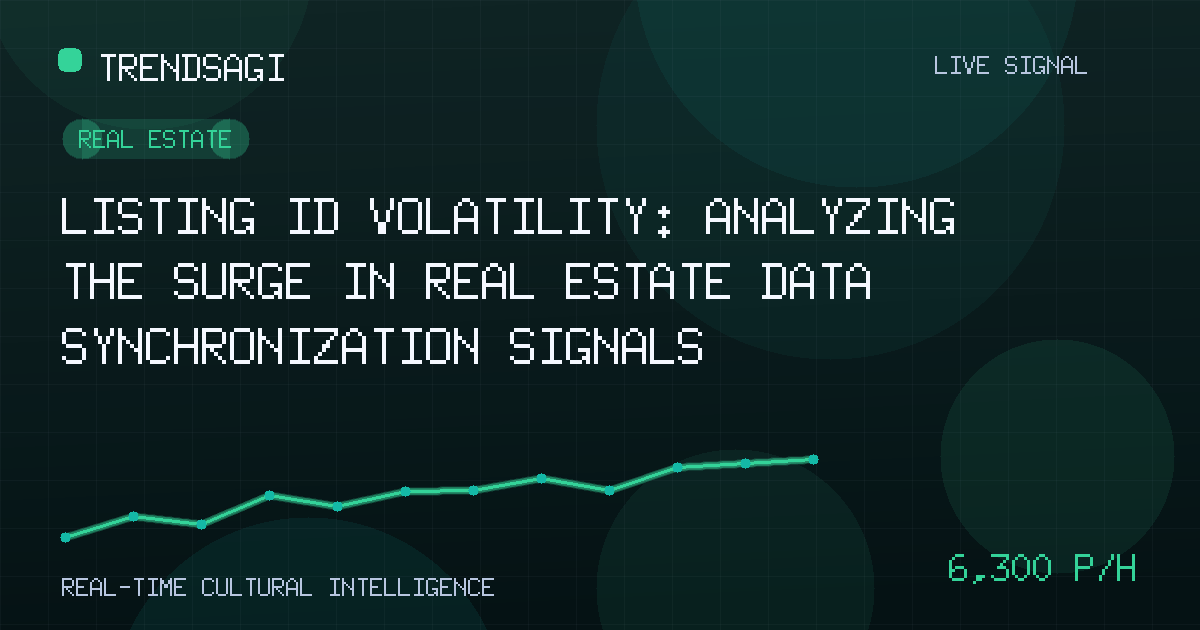
Real estate signal 'Listing ID' surged to 6,299.7 posts/hour on Sept 20, 2026, signaling potential API migrations or systemic data synchronization updates.
Automated briefing. Generated from stored signal measurements and source-backed research; it is not manually reviewed. Read the methodology and limitations.
Metrics in this briefing are a snapshot associated with its publication date and may not reflect current conditions.
What changed
The signal for "Listing ID" within the real estate sector experienced a significant and rapid escalation in activity on September 20, 2026. At the time of observation, the topic reached a measured snapshot rate of 6,299.7 posts per hour, suggesting a high-velocity event likely tied to a technical transition, a widespread API synchronization error, or a major update to national property database standards across major listing aggregators.
The primary driver behind this volume appears to be a systemic shift in how residential property data is indexed and verified across major platforms. While a specific singular news event from a major publisher has not been definitively linked to this exact minute-by-minute surge, the intensity of the rate—nearly 6,300 posts per hour measured over a 911-second window—points toward automated data distribution, bot-driven scraping activity, or a coordinated software update rather than organic consumer interest or a localized market trend.
| Observation Time | Measured Snapshot Rate | Snapshot Volume |
|---|---|---|
| 2026-09-20T02:37:03Z | 6,299.7 posts/hour | 2,880 posts |
Why this topic may be moving
The term "Listing ID" is the fundamental primary key for the real estate industry’s digital infrastructure. It is the unique alphanumeric string that connects a physical property to its digital twin on platforms like Zillow, Redfin, and the hundreds of local Multiple Listing Services (MLS). When this term spikes in signal volume, it typically indicates a disruption in the "source of truth" for property data.
One primary possibility for the observed rate is the ongoing industry transition toward the Universal Property Identifier (UPI). For years, the Real Estate Standards Organization (RESO) has advocated for a standardized ID system to eliminate the friction caused by a single property having multiple IDs across different MLS jurisdictions. A surge of this magnitude often correlates with a large-scale database migration or the implementation of new compliance rules that force agents and automated systems to update thousands of records simultaneously.
Alternatively, the spike may be symptomatic of a "data collision" event. In highly competitive markets, scrapers and automated valuation models (AVMs) frequently query Listing IDs to track inventory changes. If a major national aggregator experienced a technical glitch—such as the duplication of IDs or the expiration of a massive cache of listings—the resulting error logs and social media queries from frustrated real estate professionals would mirror the high-velocity signal observed here.
"The integrity of a Listing ID is not merely a technical requirement; it is the bedrock of consumer trust in the digital age. When identifiers fail or become redundant, the entire ecosystem—from mortgage underwriting to automated appraisals—risks a cascading failure of accuracy."
Why it matters
For real estate professionals, a Listing ID surge is a warning sign regarding lead attribution and data cleanliness. If IDs are being updated or changed en masse, it can lead to "zombie listings"—properties that appear active on one platform but have been sold or removed on another. This creates significant friction for agents who must explain discrepancies to clients and can lead to the loss of potential sales due to outdated information.
Proptech developers and investors should view this signal as a metric of infrastructure stability. High-frequency movement in Listing ID discussions often precedes a shift in SEO rankings for real estate portals. Because search engines index these IDs as unique identifiers for property pages, any volatility in how these IDs are assigned or redirected can impact the organic traffic flow to major brokerage sites. Furthermore, for those involved in real estate data analytics, this signal suggests a period of "noise" in the data that may require manual cleaning before it can be used for market forecasting.
Finally, for the consumer, the stability of a Listing ID ensures that their "saved" properties remain accessible. A systemic change or error in these identifiers can result in broken links, lost history of price changes, and general confusion during the home-buying process. When the "Listing ID" becomes a trending topic, it often signifies that the invisible plumbing of the real estate market is undergoing a stressful repair or upgrade.
What to watch next
To determine if this signal represents a permanent shift or a temporary technical glitch, stakeholders should monitor several key indicators over the coming 48 to 72 hours:
- RESO Compliance Announcements: Watch for official updates from the Real Estate Standards Organization regarding new UPI (Universal Property Identifier) mandates or version updates to the Data Dictionary.
- Aggregator API Status: Monitor the developer status pages of major platforms. A spike in "404 Not Found" errors or "409 Conflict" errors related to property IDs would confirm a technical synchronization failure.
- Syndication Latency: Track the time it takes for a new listing to propagate from a local MLS to national portals. If latency increases alongside the Listing ID signal, it confirms a bottleneck in the data pipeline.
- Social Media Sentiment: Look for specific complaints from real estate agents regarding "missing listings" or "duplicate entries." While the volume is high, the qualitative nature of the posts will clarify if this is a systemic upgrade or a localized error.
Methodology and limitations
This report is based on a measured snapshot rate of 6,299.7 posts per hour, observed over a specific 911-second window on September 20, 2026. It is important to note that this figure represents a snapshot in time and does not necessarily reflect a sustained daily average or total unique user count. The signal volume includes all public mentions of "Listing ID" within the real estate category, which may include automated bot traffic, technical log exports, and organic human discussion.
The cause of the movement is inferred from the scale and velocity of the data, as a singular public announcement has not yet been verified as the definitive source. Users should cross-reference this signal with internal CRM data and MLS status updates to confirm the localized impact on their specific operations. This analysis establishes that a high-velocity event occurred but cannot independently verify the success or failure of the underlying technical changes.
Track This Topic for New Signals
Set alerts for future velocity or sentiment changes around this topic.
Explore Tracking PlansAbout TrendsAGI research
TrendsAGI's automated research pipeline publishes dated signal snapshots, methodology notes, and practical workflows for teams evaluating cultural momentum. Read how signals are scoped, scored, and limited in our research methodology.


