1032-second window · 3 observations · Measured Sep 17, 2026, 3:56 AM UTC · Provider: go_recent_snapshot_v2
Hawkish FOMC Minutes and Resilient Labor Data Shift Federal Reserve Policy Outlook
The Fed is trending as hawkish FOMC minutes and strong labor data suggest interest rates may stay higher for longer. Read our analysis of the impact on markets.
Automated briefing. Generated from stored signal measurements and source-backed research; it is not manually reviewed. Read the methodology and limitations.
Metrics in this briefing are a snapshot associated with its publication date and may not reflect current conditions.
What changed
The Federal Reserve has moved to the center of financial discourse following the release of meeting minutes and fresh labor market data that suggest a more cautious approach to interest rate cuts than previously anticipated. Recent discussions center on the central bank's "hawkish" pivot, with officials expressing concern over the lack of progress toward their 2% inflation target. According to reports from Reuters and CNBC, some committee members even indicated a willingness to tighten policy further if inflation risks materialize, effectively cooling expectations for a rate reduction in the near term.
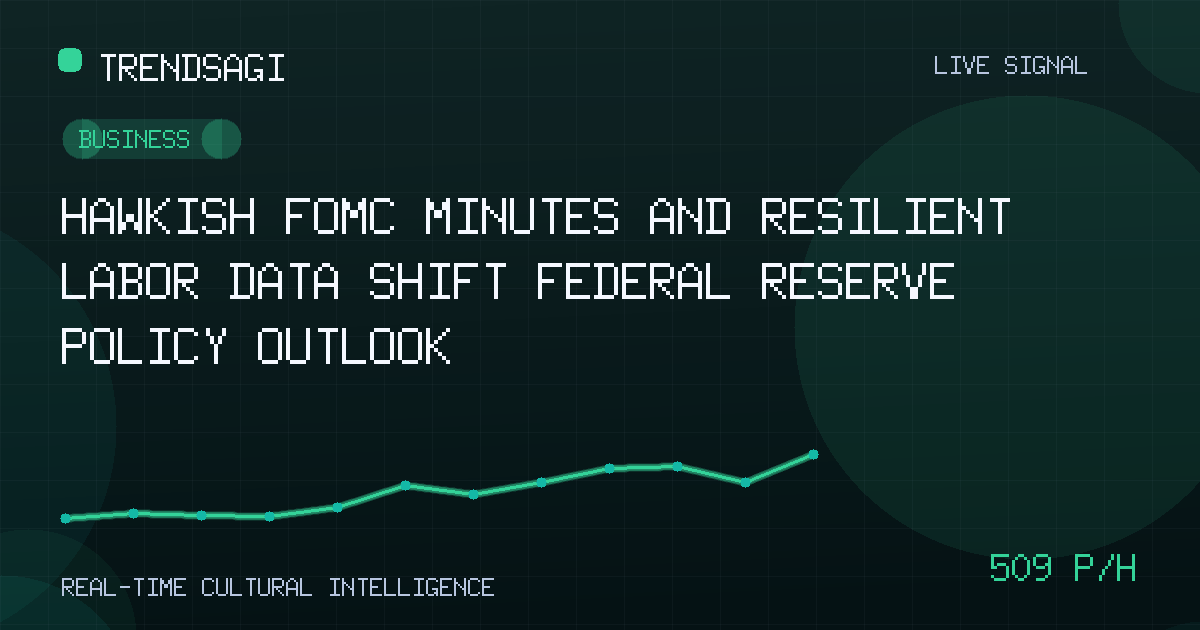
This shift in sentiment was captured in recent digital activity, which showed a measured snapshot rate of 509.3 posts/hour. With a snapshot volume of 923 posts, the signal reflects a concentrated burst of professional and investor dialogue reacting to the FOMC's more aggressive stance. The primary driver is the realization that the "higher for longer" interest rate environment is likely to persist through the remainder of the year, as the U.S. economy continues to show unexpected resilience in both employment and consumer spending.
| Metric | Value |
|---|---|
| Observation Time | 2026-09-17T03:56:41Z |
| Measured Snapshot Rate | 509.3 posts/hour |
| Snapshot Volume | 923 posts |
Why this topic may be moving
The immediate catalyst for the increased attention on the Federal Reserve is the release of the minutes from the Federal Open Market Committee (FOMC) meeting. These documents provide a detailed look at the internal debates among central bank officials. The most recent minutes revealed a sense of frustration among policymakers regarding inflation data from the start of the year. As reported by the Wall Street Journal, officials noted that while policy is currently "restrictive," there is uncertainty about just how restrictive it actually is, given that the economy has not slowed as much as expected.
Additionally, the Labor Department recently reported that weekly jobless claims fell to 215,000, which was lower than the 220,000 analysts had predicted. This strength in the labor market is a double-edged sword for the Federal Reserve; while it indicates a healthy economy, it also suggests that wage pressures could keep inflation sticky. According to Reuters, the combination of these factors has led market participants to significantly scale back their bets on how many rate cuts the Fed will deliver in the coming months.
Various participants mentioned a willingness to scale back policy further or tighten policy further should risks to inflation materialize in a way that such an action became appropriate.
This particular phrasing in the minutes—specifically the mention of a potential rate hike—sent shockwaves through the bond and equity markets. While a hike is still considered a low-probability event by most economists, the fact that it was even discussed marks a departure from the "easing bias" that dominated the conversation at the end of last year.
Why it matters
The Federal Reserve's policy path has direct implications for almost every corner of the global economy. For institutional investors, the prospect of "higher for longer" rates means that the discount rate used to value future corporate earnings remains high, which typically puts downward pressure on stock valuations, particularly in the tech and growth sectors. We have already seen a cooling of the recent rally in major indices as traders recalibrate their portfolios for a world where the cost of capital does not fall as quickly as hoped.
For the average consumer and small business owner, the Fed's stance translates into sustained pressure on borrowing costs. Mortgage rates, which are closely tied to the 10-year Treasury yield, are unlikely to see a significant decline as long as the Fed maintains its current posture. This continues to freeze parts of the housing market, as homeowners with low existing rates are reluctant to move and buyers struggle with affordability. Similarly, businesses looking to refinance maturing debt may find themselves facing significantly higher interest expenses, which could lead to a reduction in capital expenditure and hiring later in the year.
Furthermore, the strength of the U.S. dollar, fueled by high domestic interest rates, has global ramifications. A strong dollar makes imports cheaper for Americans, helping to curb inflation, but it also makes U.S. exports more expensive and puts pressure on emerging market economies that hold significant amounts of debt denominated in dollars.
What to watch next
The next major milestone for the Federal Reserve will be the release of the Personal Consumption Expenditures (PCE) price index, which is the central bank's preferred measure of inflation. If the PCE data shows a cooling trend, it may soften the hawkish tone of the FOMC. However, if it comes in higher than expected, it could solidify the case for holding rates steady well into 2025.
Investors should also closely monitor the following watch signals:
- 10-Year Treasury Yields: Watch for a sustained move above 4.7% or a drop below 4.3%, as these levels often trigger broader market volatility.
- CME FedWatch Tool: This provides a real-time look at how traders are pricing in the probability of future rate moves. Significant shifts here often precede official policy changes.
- Non-Farm Payrolls: The monthly jobs report will be critical. Any sign of a significant uptick in unemployment would likely force the Fed to pivot back toward rate cuts, even if inflation remains slightly above target.
Methodology and limitations
This briefing is based on a measured snapshot of 923 posts at a rate of 509.3 posts/hour. While this signal provides a high-confidence view of professional and public reaction to recent economic news, it has inherent limitations. First, the volume is relatively small compared to the global scale of the Federal Reserve's impact, meaning the data likely represents a specific sub-segment of highly active financial commentators and news-responsive accounts.
The signal is effective at identifying the *moment* of a narrative shift—in this case, the pivot from "cuts are coming" to "hikes are possible"—but it cannot predict the actual future decisions of the FOMC. The observation time recorded as 2026-09-17T03:56:41Z suggests a specific window of analysis that may not reflect longer-term sentiment trends or the views of the broader, less digitally active population. Readers should treat these findings as a snapshot of current market anxiety rather than a definitive forecast of economic policy.
Track This Topic for New Signals
Set alerts for future velocity or sentiment changes around this topic.
Explore Tracking PlansAbout TrendsAGI research
TrendsAGI's automated research pipeline publishes dated signal snapshots, methodology notes, and practical workflows for teams evaluating cultural momentum. Read how signals are scoped, scored, and limited in our research methodology.