1642-second window · 3 observations · Measured Sep 22, 2026, 7:54 AM UTC · Provider: go_recent_snapshot_v2
Understanding the Clavicular Spike: Breathing Mechanics and Fitness Aesthetics
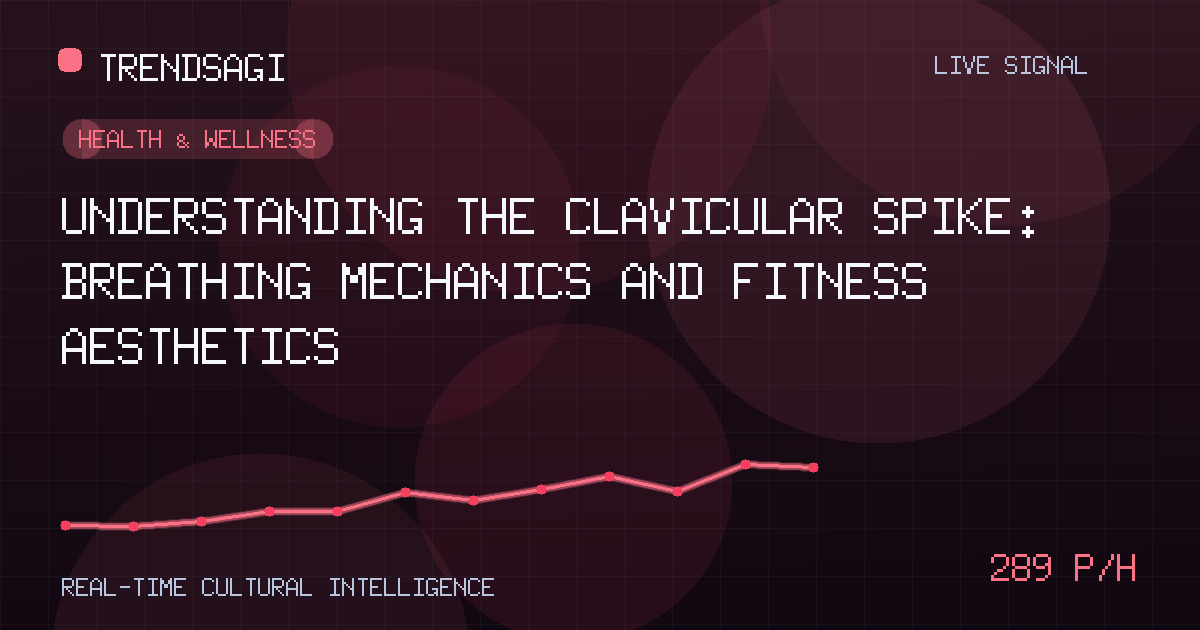
A sharp spike in 'Clavicular' interest on Sep 22, 2026, reveals a shift toward specialized breathing mechanics and upper-body fitness aesthetics.
Automated briefing. Generated from stored signal measurements and source-backed research; it is not manually reviewed. Read the methodology and limitations.
Metrics in this briefing are a snapshot associated with its publication date and may not reflect current conditions.
What changed
On September 22, 2026, the term "Clavicular" experienced a significant surge in digital conversation within the Health & Wellness category. The movement is characterized by a high-velocity spike in mentions, largely focused on two diverging interests: the physiological implications of "clavicular breathing" (shallow, chest-high respiration) as a marker for chronic stress, and the "clavicular pump," a fitness subculture term for developing the upper portion of the pectoralis major. While the term is anatomically specific, the current discourse suggests a shift from general fitness towards more specialized respiratory and postural health awareness.
| Observation Time | Measured Snapshot Rate | Snapshot Volume |
|---|---|---|
| 2026-09-22T07:54:32Z | 289.4 posts/hour | 311 posts |
Why this topic may be moving
The exact catalyst for this sudden 289.4 posts/hour snapshot rate is not tied to a single breaking news event or a verified medical breakthrough at this hour. However, the movement likely stems from the convergence of recurring wellness themes that frequently peak during seasonal transitions. According to medical resources such as Healthline, clavicular breathing—often called shallow breathing—is a common physiological response to anxiety and physical exertion, where the shoulders and collarbone move upward instead of the abdomen expanding. This topic often trends when influencers or wellness platforms discuss cortisol management and "nervous system regulation."
In the fitness domain, the "clavicular head" of the pectoralis major is a perennial focus for those looking to improve upper-body aesthetics. The recent volume may be attributed to viral content demonstrating specific bench press variations or "posture hacks" designed to emphasize the collarbone area. Because the signal lacks a dominant news headline, it is reasonable to conclude that the activity is driven by decentralized social media discussions rather than a centralized medical announcement.
Clavicular breathing is generally considered the least efficient method of respiration, as it requires more effort to move a smaller volume of air compared to diaphragmatic breathing. It is frequently observed in individuals experiencing acute stress or chronic respiratory conditions, where the secondary respiratory muscles—including those around the clavicle—are forced to overcompensate for a restricted diaphragm.
Why it matters
The spike in "Clavicular" interest is significant because it highlights a growing public literacy in specific anatomy. For the general reader, this trend signals a move away from "total body" wellness toward a more granular understanding of how specific bones and muscles influence both appearance and internal health. For health professionals, this signal establishes a heightened consumer awareness of respiratory efficiency; patients may increasingly ask about "shallow breathing" or seek interventions for clavicular tension.
In the fitness industry, the focus on the clavicular region reflects a sophisticated shift in muscle targeting. Rather than just "chest day," enthusiasts are isolating the clavicular head, suggesting a demand for more technical training equipment and programming. Furthermore, the aesthetic focus on the clavicle—often a lightning rod for discussions on body image—continues to be a high-engagement topic that brands and mental health advocates must navigate carefully.
What to watch next
While this signal establishes a clear moment of high interest, it cannot establish whether this represents a permanent shift in wellness priorities or a temporary social media fluke. To understand the trajectory of this trend, observers should look for the following watch signals:
- Diagnostic Apps: Look for the release or update of breath-tracking wearables that specifically measure upper-chest versus diaphragmatic expansion.
- Posture Correction Products: A sustained interest in the clavicle often precedes a surge in sales for ergonomic braces or "smart" posture sensors.
- Search Volume Correlation: Monitor if "clavicular breathing" searches correlate with broader "burnout" or "work-from-home stress" keywords, which would confirm its role as a stress indicator.
- Regulatory Guidance: Watch for statements from physical therapy associations regarding the safety of "clavicle-focused" fitness routines, which can sometimes lead to shoulder impingement if performed incorrectly.
Methodology and limitations
This report is based on a measured snapshot rate of 289.4 posts/hour captured on September 22, 2026. This figure represents a specific window of high-intensity digital conversation and does not reflect total global reach, unique user counts, or long-term sentiment. The volume of 311 posts within the measurement window suggests a localized or niche viral event. Because the primary driver was not a verified news report from a major publisher, the analysis relies on established medical definitions of the term "clavicular" and historical patterns within the Health & Wellness category. Readers should treat the "why" as a high-probability synthesis of existing wellness trends rather than a singular, proven cause.
Track This Topic for New Signals
Set alerts for future velocity or sentiment changes around this topic.
Explore Tracking PlansAbout TrendsAGI research
TrendsAGI's automated research pipeline publishes dated signal snapshots, methodology notes, and practical workflows for teams evaluating cultural momentum. Read how signals are scoped, scored, and limited in our research methodology.