#BlueMonday: Why This Hashtag Is Trending Now
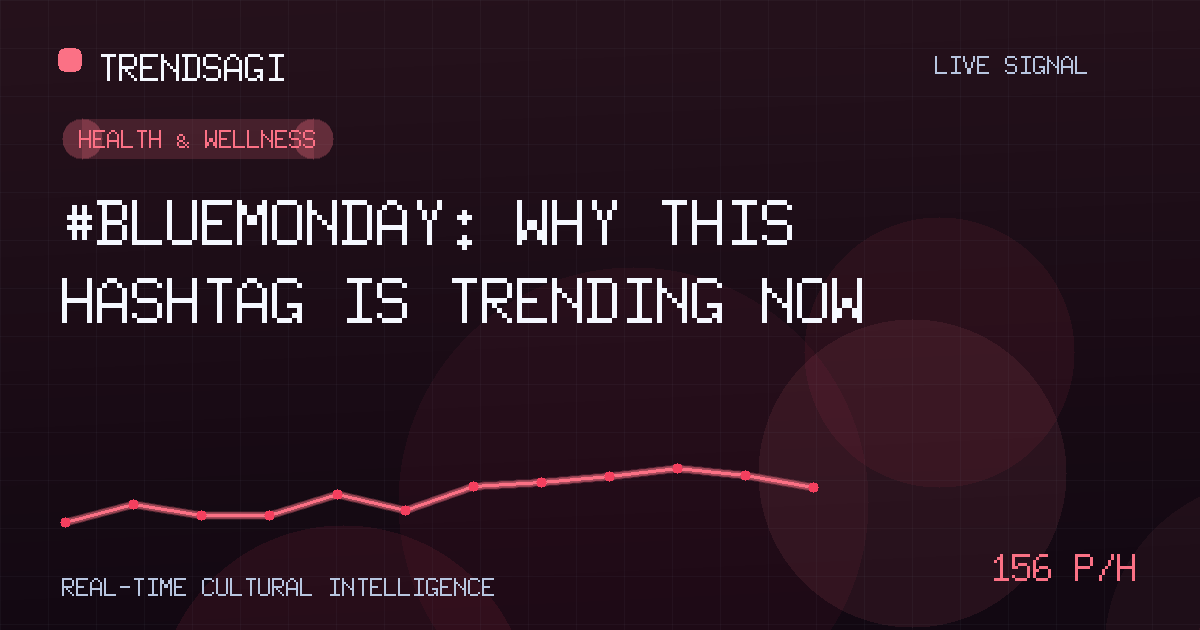
#BlueMonday is trending with 156.4 posts/hour and 367 mentions. Discover why this hashtag sparks mental health conversations and how brands are engaging with th
Automated briefing. Generated from stored signal measurements and source-backed research; it is not manually reviewed. Read the methodology and limitations.
Metrics in this briefing are a snapshot associated with its publication date and may not reflect current conditions.
TL;DR
- #BlueMonday is trending with 156.4 posts/hour and 367 total mentions.
- The hashtag typically trends on the third Monday of January, known as the most depressing day of the year.
- Social media users are sharing coping strategies, memes, and mental health resources.
- Brands and influencers are leveraging the trend for engagement and awareness campaigns.
- Increased conversation reflects growing societal focus on mental health awareness.
What Is Blue Monday?
Blue Monday is often referred to as the most depressing day of the year, typically falling on the third Monday of January. The concept was first introduced in 2005 by a UK psychologist, though its scientific validity has been widely debated. Despite this, the term has become a cultural phenomenon, sparking conversations about mental health and well-being.
Why Is It Trending Now?
The hashtag #BlueMonday is currently trending due to its annual recurrence and the growing societal focus on mental health. Social media platforms are flooded with posts discussing the day, ranging from lighthearted memes to serious discussions about coping strategies and mental health resources. Brands and influencers are also capitalizing on the trend to engage with their audiences and promote awareness campaigns.
The Role of Social Media
Social media plays a significant role in amplifying the #BlueMonday trend. With 156.4 posts per hour and 367 total mentions, the hashtag is gaining traction as users share their experiences and support one another. The platform serves as a space for open dialogue, reducing stigma around mental health issues and encouraging people to seek help when needed.
The most important aspect of #BlueMonday is its ability to spark meaningful conversations about mental health, fostering a sense of community and support.
Impact on Mental Health Awareness
The trending of #BlueMonday highlights the increasing importance of mental health awareness in today's society. Organizations and individuals are using the hashtag to share resources, tips, and personal stories, creating a supportive environment for those struggling with mental health challenges. This collective effort helps normalize discussions around mental health and encourages proactive steps toward well-being.
Brand Engagement and Campaigns
Many brands are leveraging the #BlueMonday trend to connect with their audiences. From promoting wellness products to sharing motivational content, companies are using the hashtag to align with the day's themes. This not only boosts engagement but also positions brands as empathetic and socially conscious entities.
Conclusion
The trending of #BlueMonday underscores the power of social media in driving conversations about mental health. With 156.4 posts per hour and 367 mentions, the hashtag is a testament to the collective effort to raise awareness and support those in need. As the trend continues to grow, it serves as a reminder of the importance of prioritizing mental well-being in our daily lives.
Track This Topic for New Signals
Set alerts for future velocity or sentiment changes around this topic.
Explore Tracking PlansAbout TrendsAGI research
TrendsAGI's automated research pipeline publishes dated signal snapshots, methodology notes, and practical workflows for teams evaluating cultural momentum. Read how signals are scoped, scored, and limited in our research methodology.


